Universal Federation South
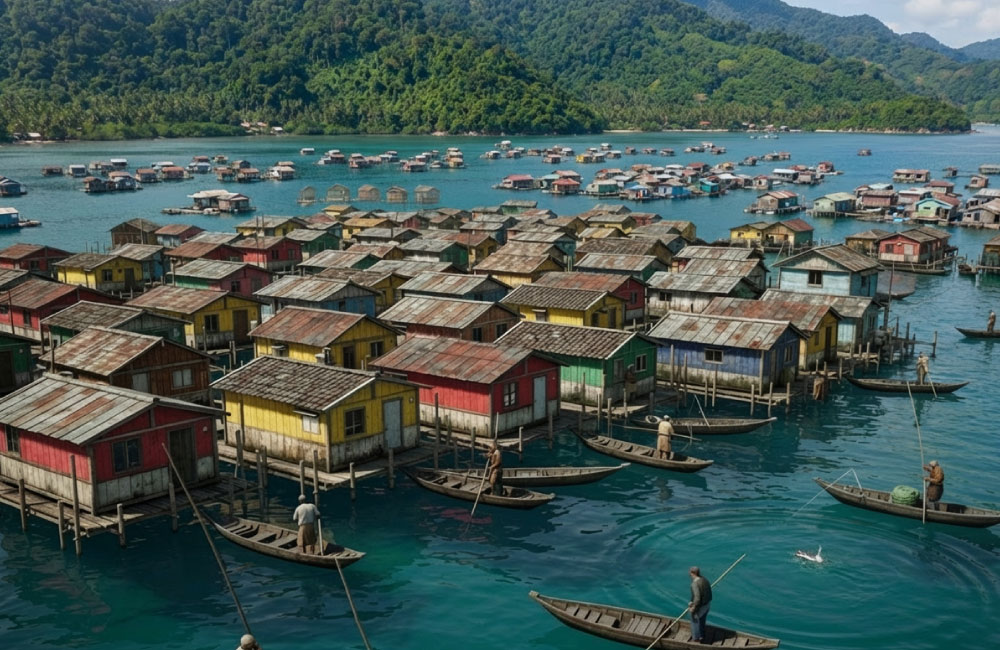
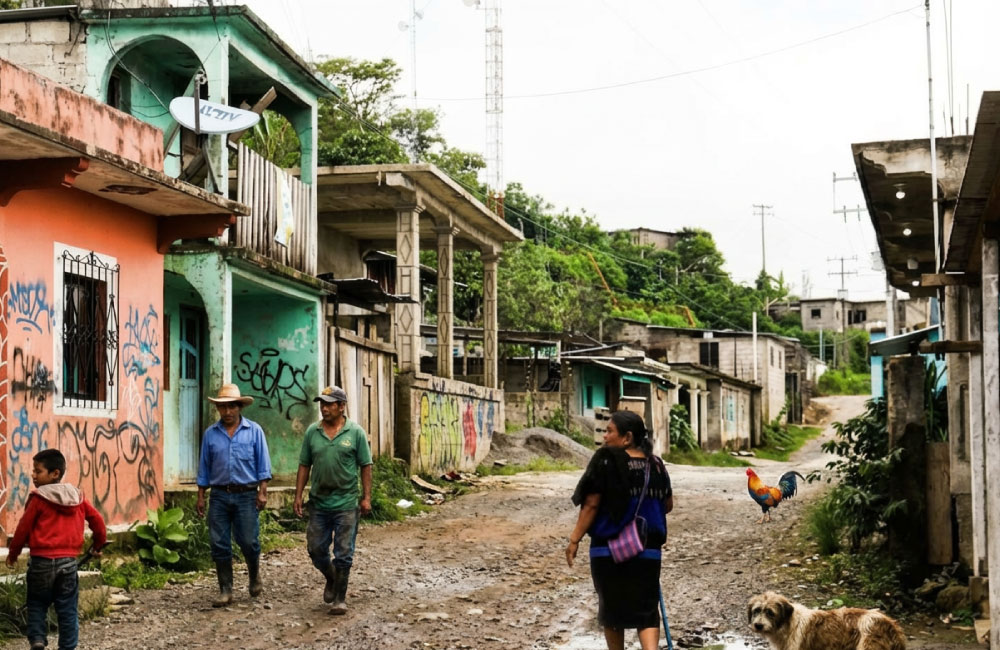
A southern federation of coastal plains, fertile interiors, and vibrant port cities, sharing the same governmental structure and comparable geographic forms as its northern counterpart. Historically enriched by year‑round agriculture, the UFS became the heartland for food production—especially after the Lowland Migration (Year 238)—and remains culturally renowned for markets, maritime trade, and agrarian guilds. The Universal Defiance War (Year 1919) fixed its sovereignty, with the Sublime Wall and Anapo River marking the northern divide. Despite deep agricultural strength and cultural vitality, the UFS—like the UFN—is broadly behind in advanced technology, working to expand newer resource and mineral sectors while modernizing infrastructure. Its proximity to the Wall and long history of cross‑border tensions have shaped a defensive posture and strong communal identity.
Once a single polity known simply as the Universal Federation, the northern and southern realms were formally divided after centuries of conflict, migration, and judicial reform. A forty‑foot Sublime Wall was built along the Anapo River to mark the line of separation; for generations, offenders from the prosperous southern lands were banished beyond the Wall—a sentence widely believed to be fatal due to the North’s forbidding reputation. In Year 238, most aborigines moved south in the Lowland Migration, concentrating population and agriculture below the Wall. In Year 1919, aborigines north of the Wall attacked southern tribes in the Universal Defiance War, whose resolution established two sovereign countries: the Universal Federation North (UFN) and the Universal Federation South (UFS). Later milestones further shaped the twin federations: Year 3613, Lajos of the Oriri Nation sailed the Ames Ocean and recorded discovery of the Universal Federation; Year 3907, killing wild animals became illegal except on governed hunting grounds; Year 3925, the Dead of Night Battle ended the last war between aborigines and migrators from the Oriri Nation and Common Coalition, granting aborigines land in the UFN and legal allowances for gambling, prostitution, and the cultivation of otherwise illegal crops. In Year 4003, the UFN rose as a medical research hub—home to advanced labs, untested augmentation surgeries, and heavily protested experimental treatments—drawing patients and donors (druples) from across Terrus to confront cancers and degenerative diseases. Despite these medical advances, both UFN and UFS remain generally behind in broader technology, with newer resource and mineral development compared to older Terran powers.